Editorial method
How oral histories travel
A practical account of why a recorded story needs consent, context, attribution, preservation planning, and room for more than one telling.
Scope: This article explains Origins’ editorial method. It does not reproduce a community’s oral history or claim one method fits every cultural context.
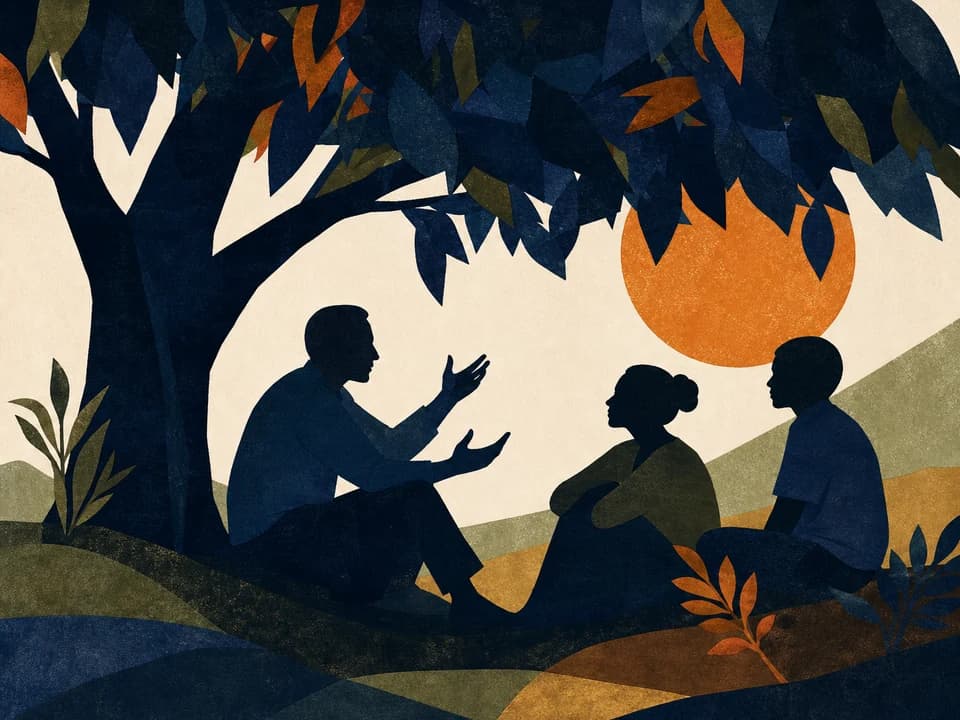
Stories rarely sit still. They move between speakers, households, languages, performances, and places. A careful record therefore preserves more than polished prose: it identifies who shared an account, the circumstances in which it was recorded, what permissions govern its use, and where another telling may differ.
Consent begins before recording
The Oral History Association describes oral history as a collaborative relationship between interviewer and narrator. A participant needs to understand the project’s purpose, possible uses, preservation plan, access conditions, and risks before recording begins. Consent is an ongoing relationship rather than a box checked once.
For Origins, that means a contributor should be able to discuss attribution, request limits on access, identify material that should remain private, and review how their account is described. Restricted or sacred knowledge does not become publishable simply because it can be recorded.
Context travels with the story
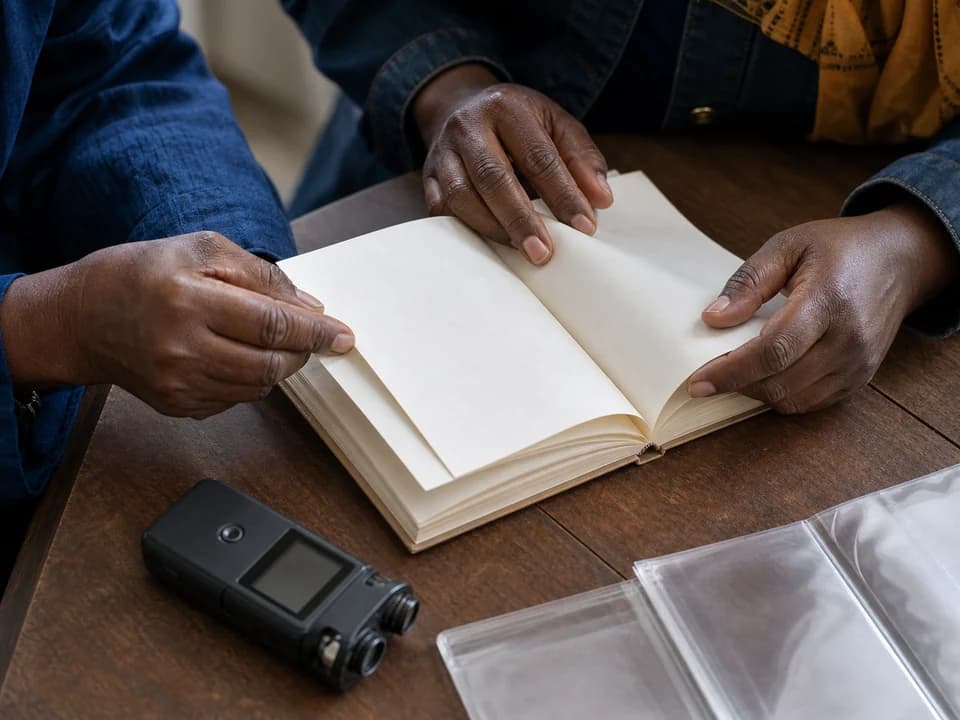
A transcript cannot preserve gesture, audience response, performance setting, tone, or every layer of language. Editorial notes should therefore record when and where an account was shared, the language used, who was present, and whether a translation or adaptation has changed its form.
UNESCO’s safeguarding framework includes oral traditions, performance, social practice, knowledge, and craft. It treats documentation as one part of keeping heritage viable, alongside transmission and the participation of the communities concerned.
Variants are part of the record
A second telling is not automatically an error. Differences may reflect region, lineage, audience, time, creative performance, or the purpose of the telling. Origins can place variants beside one another, attribute each one, and explain what is known without manufacturing a single definitive version.
Preservation includes future access
Files require durable formats, backups, useful descriptions, rights information, and a responsible long-term home. Readers may need transcripts, translations, time-coded indexes, or accessibility support. Those decisions should continue to honour the agreements made with narrators.
The readable article is only an entry point. A responsible archive preserves the fuller record and makes its limits visible.